CAR-T cell therapy is one of the most impressive things humans have ever built. You take a patient's own T cells, genetically engineer them to recognize cancer, expand them into an army, and infuse them back in. For certain blood cancers, this is borderline miraculous - complete response rates that would make any oncologist cry happy tears. For solid tumors? Well, those engineered T cells show up, look around, and immediately get lost.
A Quick Refresher on the Greatest Hits
Chimeric antigen receptor T-cell therapy (CAR-T) works by giving T cells a synthetic receptor that locks onto a specific protein on cancer cells. In blood cancers like B-cell acute lymphoblastic leukemia and certain lymphomas, the target is CD19 - a protein sitting reliably on the surface of malignant B cells like a neon sign. The CAR-T cells find it, bind it, and destroy the cell. Six FDA-approved CAR-T products later, this approach has become standard of care for several hematologic malignancies.
The response rates are staggering. Complete remission in 70-90% of patients with certain relapsed/refractory B-cell cancers. These are patients who had run out of options. That is not incremental improvement - that is a category of therapy that did not exist fifteen years ago.
So Why Can't We Do That for Breast Cancer?
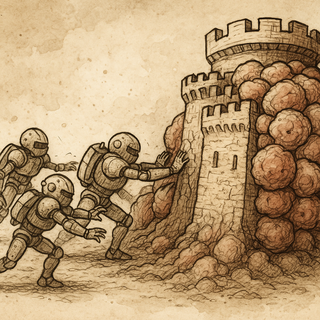
Solid tumors present at least five distinct problems that blood cancers conveniently avoid, and each one is a beast on its own.
Finding the door. Blood cancer cells float in the same compartment where you infuse CAR-T cells. Solid tumors sit behind walls of tissue and abnormal blood vessels. Getting T cells inside a solid mass is like trying to enter a nightclub where the bouncer is also the architect.
No good address. CD19 is beautifully specific to B cells. Solid tumors rarely offer such clean targets. Most surface proteins also appear on normal tissues. Target HER2 too aggressively and you damage the heart and lungs. The field calls this "on-target, off-tumor toxicity."
Hostile neighborhood. Solid tumors build a suppressive microenvironment - regulatory T cells, myeloid-derived suppressor cells, immunosuppressive cytokines. CAR-T cells show up ready to fight and end up taking a nap.
Changing locks. Antigen heterogeneity means not every cancer cell expresses the same target. Kill the ones expressing your antigen, and the rest survive and expand. Natural selection in real time.
No staying power. CAR-T cells persist for months in blood cancers. In solid tumors, they lose function quickly, overwhelmed by chronic antigen stimulation.
The Workarounds Being Tested
The field is not sitting around moping. Current strategies include armored CAR-T cells that secrete their own cytokines to counteract the suppressive microenvironment, tandem CARs targeting two antigens simultaneously to reduce escape, and locally delivered CAR-T cells injected directly into tumors rather than infused intravenously.
Some groups are engineering T cells with dominant-negative TGF-beta receptors, essentially making them deaf to one of the tumor's primary "calm down" signals. Others are combining CAR-T with checkpoint inhibitors, trying to remove the brakes that the tumor microenvironment applies.
There is also growing interest in using CAR-macrophages and CAR-NK cells for solid tumors, since these immune cell types may be better suited to the solid tumor environment than T cells.
Where Things Stand
Clinical trials for solid tumor CAR-T are producing occasional responses - enough to keep the field funded and motivated, but nothing approaching the blood cancer success story. GD2-targeted CAR-T for neuroblastoma, HER2-targeted approaches for sarcomas, and mesothelin-targeted products for mesothelioma have all shown signals of activity.
The honest assessment: this is a five-to-ten-year problem, not a next-year problem. But the engineering toolkit keeps expanding, and each failed trial teaches something about what the tumor microenvironment actually does to these cells. If you are tracking the clinical trial landscape across multiple targets and indications, something like mapb2.io can help organize the increasingly tangled web of ongoing studies into a visual map that actually makes sense.
The blood cancer success was not inevitable either. It took decades of work, multiple failed approaches, and a few brave patients. Solid tumors will get there - just not gracefully.
References
- June CH, O'Connor RS, Kawalekar OU, et al. CAR T cell immunotherapy for human cancer. Science. 2018;359(6382):1361-1365. DOI: 10.1126/science.aar6711 | PMID: 29567707
- Sterner RC, Sterner RM. CAR-T cell therapy: current limitations and potential strategies. Blood Cancer J. 2021;11(4):69. DOI: 10.1038/s41408-021-00459-7 | PMID: 33824268
Disclaimer: This blog post is for informational and educational purposes only. It is not medical advice. Always consult a qualified healthcare professional for clinical decisions.
Get cancer research delivered to your inbox
The best new studies, explained without the jargon. One email per week.