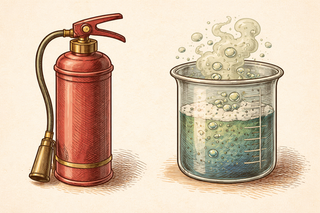
To follow the paper, you only need one bit of metabolism. Cells use the pentose phosphate pathway, or PPP, to make NADPH, which is basically biochemical emergency cash. NADPH helps cells neutralize reactive oxygen species, the nasty molecules that pile up during stress. If chemotherapy is a house fire, NADPH is the fire extinguisher under the sink.
The authors used transcriptomics, proteomics, isotope tracing, extracellular flux analysis, and genome-scale metabolic modeling - which is a very fancy way of saying they checked the pantry, the receipts, the stove, and the smoke detector. What they saw was a major fuel shuffle in the cisplatin-surviving polyploid cells. These survivors pushed up glycolysis and gluconeogenesis, turned down oxidative phosphorylation, and diverted glucose into the PPP to make more NADPH. They also used glutamine to feed carbon back into the same antioxidant-support system [1].
Cancer cells are often compared with bad houseguests. These ones are worse. They eat your groceries, move the furniture, and somehow convert your last bagel into a defensive weapons budget.
Why the big weird cells matter
Polyploid giant cancer cells used to be treated a bit like the oddballs at the edge of the microscope slide - large, ugly, probably doomed, not worth inviting into the main theory of cancer. That view has aged about as well as gas-station sushi. Recent reviews and studies suggest these cells can enter dormant, stress-tolerant states, then later generate offspring that help drive recurrence, metastasis, and treatment failure [2-5].
That matters because therapy resistance is not always about a brand-new mutation appearing like a Bond villain monologue. Sometimes it is about a cell state change. The cell hunkers down, rewires its metabolism, survives the toxic mess, and waits for better weather. Reviews on drug-tolerant persister cells keep hammering this point: some of the most dangerous cancer cells are not the fastest growers, but the best adapters [2,3].
This paper adds a sharp metabolic angle to that story. It says these polyploid survivors are not merely "hard to kill." They are actively reallocating carbon sources to preserve antioxidant metabolism. In other words, they are not just hiding under the bed. They are rewiring the house while the storm is still happening [1].
The part that could matter in real life
One especially interesting result was the clinical correlation. The authors report that high expression of PPP and antioxidant-related genes tracked with worse survival across multiple cancer types [1]. That does not prove cause and effect by itself, but it does suggest this is not just an odd lab curiosity. The same stress-shielding machinery may matter in human disease.
If that finding keeps holding up, it points toward a practical idea: do not only hit the tumor with DNA-damaging therapy like cisplatin. Also target the metabolic escape route those surviving cells use afterward. Reviews of the PPP in cancer and broader cancer metabolism already make the case that NADPH-generating pathways are attractive vulnerabilities, because tumors lean on them for redox balance, biomass, and survival under treatment stress [4,6]. Recent work on polyploid chemotherapy-surviving cells also supports the idea that these enlarged survivor populations are linked to poor outcomes and relapse biology [5].
Of course, there is a catch, because there is always a catch. Normal cells use antioxidant systems too. You cannot just smash every NADPH-related pathway with a frying pan and expect the patient to send a thank-you card. The hard part is finding a therapeutic window - enough to expose the cancer's survival trick, not enough to punish healthy tissue.
Still, this is the kind of paper that makes you sit up a little. Not because it promises a miracle by Tuesday. Cancer biology is too strange for that, and frankly too rude. But it offers a clearer picture of what some surviving cancer cells are doing after chemotherapy: they are not merely enduring damage. They are paying for survival by rerouting fuel into a chemical cleanup crew. And if you can cut off that budget, the next round of treatment might land a lot harder.
References
-
Li M, Priem B, Loftus LV, Betenbaugh MJ, Pienta KJ, Amend SR. Polyploid cancer cells surviving cisplatin reallocate central carbon sources to fuel antioxidant metabolism for survival. Molecular Metabolism. 2026. DOI: https://doi.org/10.1016/j.molmet.2026.102370
-
Russo M, Chen M, Mariella E, et al. Cancer drug-tolerant persister cells: from biological questions to clinical opportunities. Nat Rev Cancer. 2024;24(10):694-717. DOI: https://doi.org/10.1038/s41568-024-00737-z
-
Pu Y, Li L, Peng H, et al. Drug-tolerant persister cells in cancer: the cutting edges and future directions. Nat Rev Clin Oncol. 2023;20(11):799-813. DOI: https://doi.org/10.1038/s41571-023-00815-5
-
Jiao Y, Yu Y, Zheng M, et al. Dormant cancer cells and polyploid giant cancer cells: The roots of cancer recurrence and metastasis. Clin Transl Med. 2024;14(2):e1567. DOI: https://doi.org/10.1002/ctm2.1567. PMCID: https://pmc.ncbi.nlm.nih.gov/articles/PMC10870057/
-
Ogawa Y, Fisher L, Matsumoto T, et al. Polyploid cancer cells reveal signatures of chemotherapy resistance. Oncogene. 2025. DOI: https://doi.org/10.1038/s41388-024-03212-z
-
Finley LWS. What is cancer metabolism? Cell. 2023;186(8):1670-1688. DOI: https://doi.org/10.1016/j.cell.2023.01.038. PMCID: https://pmc.ncbi.nlm.nih.gov/articles/PMC10106389/
Disclaimer: The image accompanying this article is for illustrative purposes only and does not depict actual experimental results, data, or biological mechanisms.