If SEZ6 had an Instagram bio, it might read: "Mostly neuronal, mysteriously overexpressed in small cell lung cancer, available for targeted delivery, no DMs unless attached to chemotherapy."
That is the strange little doorbell at the center of a new phase 1 trial of ABBV-706, an antibody-drug conjugate tested in advanced solid tumors, especially relapsed or refractory small cell lung cancer. Small cell lung cancer, or SCLC, is the fast-talking pickpocket of lung cancers: quick to spread, quick to respond at first, and far too quick to come back. The oncology world has been trying to catch it with better tools than the usual hammer-and-prayer approach.
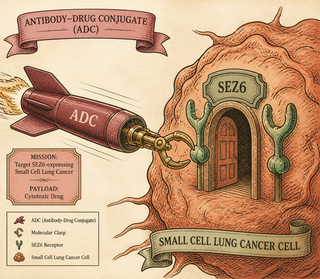
ABBV-706 is one of those tools. It is not subtle in its final intentions, but it is polite about getting there.
The Tiny Address Label On A Dangerous Package
An antibody-drug conjugate, or ADC, is basically a guided missile with better tailoring. One part is the antibody, which recognizes a target on cancer cells. Another part is the payload, a toxic drug. Between them sits a linker, the molecular clasp that ideally holds everything together until the package reaches the right doorstep.
In this case, the doorstep is SEZ6, short for seizure-related homolog 6. Despite the name sounding like a rejected sci-fi password, SEZ6 is a real protein found in neural-lineage biology and, inconveniently for humanity, often on SCLC and neuroendocrine tumor cells. ABBV-706 uses an antibody aimed at SEZ6 and carries a topoisomerase 1 inhibitor, a drug that damages DNA by interfering with the cellular machinery that unwinds it. Cancer cells love frantic copying. Topoisomerase inhibitors make that frantic copying go sideways, like a printer jamming during tax season.
The hope is simple: find cancer cells wearing SEZ6, enter them, release the payload, and wreck the tumor cell from inside. Elegant? Yes. Also a little medieval? Also yes.
What The Trial Found
The new study, published in Nature Medicine, enrolled 288 patients with advanced solid tumors. Among them, 240 received ABBV-706 alone, including 124 people with relapsed or refractory SCLC. The drug was given by IV every three weeks.
The headline number: in the SCLC monotherapy group, the objective response rate was 52%, meaning 65 of 124 patients had measurable tumor shrinkage meeting formal criteria. In the randomized dose-optimization portion, response rates looked similar at 1.8 mg/kg and 2.5 mg/kg, 56% and 59%, respectively. But the lower dose had the better balance of durability, survival, and side effects, so the investigators selected 1.8 mg/kg every three weeks as the recommended phase 2 dose. At that dose, median overall survival in relapsed or refractory SCLC reached 12.4 months.
For this disease setting, that gets attention. Not confetti-cannon attention, because phase 1 trials are early, open-label, and allergic to overconfidence. But definitely raised-eyebrow, lean-forward attention.
The Catch, Because Biology Charges Rent
ABBV-706 also brought side effects, because the body rarely lets us conduct molecular espionage for free. In the monotherapy group, anemia showed up in 61% of patients and fatigue in 38%. Grade 3 or higher treatment-related adverse events occurred in 61% overall, and they were dose dependent: 39% at 1.8 mg/kg versus 70% at 2.5 mg/kg.
That dose difference matters. Cancer treatment often lives in the narrow valley between "not enough" and "too much," with clinicians hiking through fog while carrying lab reports. The lower dose did not look weaker in response rate, and it looked more livable. That is the sort of practical win patients and oncologists can actually use.
Why This Feels Different
SCLC has had a rough therapeutic history. Platinum chemotherapy and immunotherapy help many patients at first, but relapse is painfully common. Recent progress has included immune approaches such as tarlatamab, a DLL3-targeted T-cell engager, and other ADCs like ifinatamab deruxtecan targeting B7-H3. ABBV-706 adds another idea to the growing map: do not just poison fast-dividing cells broadly. Use the tumor's own surface markings as an address.
This is where SEZ6 becomes intriguing. Earlier SEZ6 work with ABBV-011 showed that the target is commonly expressed in SCLC and can be exploited by ADCs. ABBV-706 swaps in a topoisomerase 1 inhibitor payload and a different design, aiming for a stronger therapeutic rhythm: bind, enter, release, break DNA, repeat. A grim little waltz, but cancer started the music.
What Happens Next
The big question is whether these results hold up in larger, later-phase trials with cleaner comparisons. Phase 1 studies are built to find dose, safety, and early signals, not to settle practice forever. We still need to know which patients benefit most, whether SEZ6 testing can guide treatment, how resistance develops, and how ABBV-706 fits beside tarlatamab, lurbinectedin, chemotherapy, and other emerging ADCs.
Still, this study gives SCLC researchers something valuable: a plausible target, a workable dose, and a response signal in a cancer that does not usually hand out good news without checking ID first.
If reproducible, ABBV-706 could become part of a more precise future for SCLC, where tumors are not treated only as fast-growing chaos, but as cells with labels, vulnerabilities, and bad habits we can exploit. A little less blunt force. A little more address-specific thunder.
References
-
Byers LA, Cho BC, Cooper AJ, et al. SEZ6-targeting antibody-drug conjugate ABBV-706 in advanced small cell lung cancer and solid tumors: a phase 1 trial. Nature Medicine. 2026. doi:10.1038/s41591-026-04452-0
-
Petty WJ, Paz-Ares L. Emerging strategies for the treatment of small cell lung cancer: a review. JAMA Oncology. 2023;9(3):419-429. doi:10.1001/jamaoncol.2022.5631
-
Kim SY, Park HS, Chiang AC. Small cell lung cancer: a review. JAMA. 2025;333(21):1906-1917. doi:10.1001/jama.2025.0560
-
Morgensztern D, Ready N, Johnson M, et al. A phase I first-in-human study of ABBV-011, a seizure-related homolog protein 6-targeting antibody-drug conjugate, in patients with small cell lung cancer. Clinical Cancer Research. 2024;30(22):5042-5052. doi:10.1158/1078-0432.CCR-24-1478, PMCID: PMC11565168
-
Mountzios GS, et al. Tarlatamab in small-cell lung cancer after platinum-based chemotherapy. New England Journal of Medicine. 2025;393:349-361. doi:10.1056/NEJMoa2502099
-
Rudin CM, et al. Ifinatamab deruxtecan in patients with extensive-stage small cell lung cancer: primary analysis of the phase II IDeate-Lung01 trial. Journal of Clinical Oncology. 2026;44:261-273. doi:10.1200/JCO-25-02142
Disclaimer: The image accompanying this article is for illustrative purposes only and does not depict actual experimental results, data, or biological mechanisms.