
The old rule-of-thumb did not work because “you once had a polyp, therefore see you in the endoscopy suite forever” is not a medical plan - it is a subscription service with worse snacks.
The old rule-of-thumb did not work because “you once had a polyp, therefore see you in the endoscopy suite forever” is not a medical plan - it is a subscription service with worse snacks.
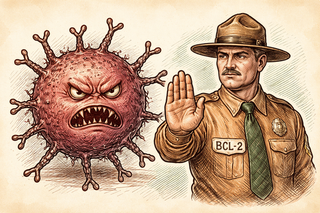
Dear immune system, we need to talk.
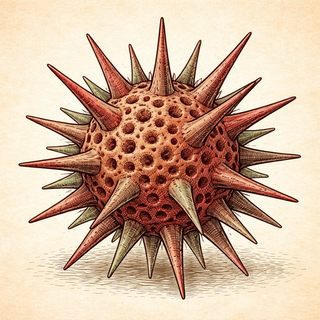
The tumor microenvironment forecast is cloudy with a chance of immune suppression, scattered calcium storms, and a stubborn low-pressure system of cancer cells acting as if zoning laws do not apply to them.
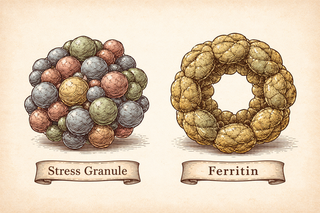
Breaking news from the cellular panic desk: glioblastoma stem cells, already famous for ignoring radiation and temozolomide like unread emails from HR, may be surviving by stuffing ferritin into tiny stress bunkers.
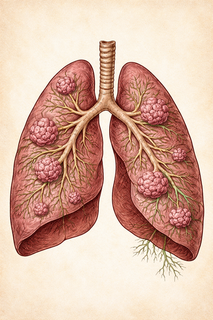
“Metastases diverge markedly from their ancestral primary tumour,” the study authors write, which is scientist-speak for: the cancer did not just move house. It renovated, changed the locks, started a group chat, and may have opened branch offices.
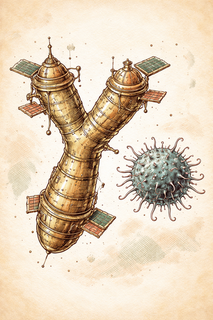
Most people think the Y chromosome is basically a biological light switch for male development, but actually it may be more like a tiny, weirdly understaffed space station that keeps sending signals long after the opening credits.
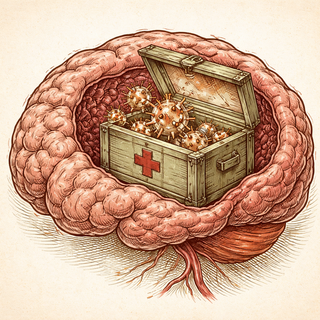
The virus is already inside the brain tumor, unpacking its cargo like a field medic with very strange luggage.
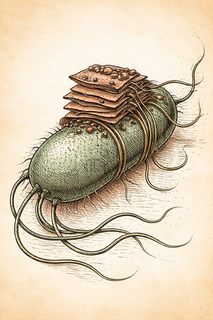
Customer review: photosynthetic hydrogen production in tumors. Five stars for ambition, three stars for ease of installation, and one very confused immune system asking why a bacterium just showed up wearing a semiconductor backpack.
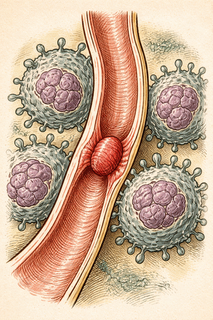
Meanwhile, in the esophagus, a tumor is trying to dodge the immune system while calling in backup from the blood-clotting department.
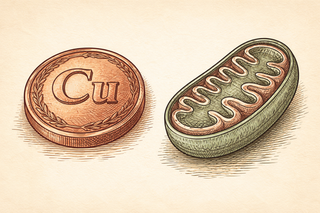
A cancer cell can change outfits like it is late for a molecular makeover show, but this new study asks a sneakier question: what happens if we stop stocking one tiny accessory it needs to pull the whole look together?
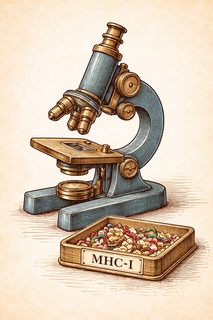
In Guangzhou, inside a colorectal cancer research center, scientists appear to have caught tumor cells doing the biological equivalent of peeling off their name tags before security walks by.
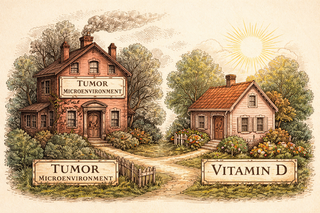
In pancreatic cancer, the tumor is not just a bad house on the block - it is the landlord, the contractor, the security desk, and the suspicious guy repainting the basement at 2 a.m.
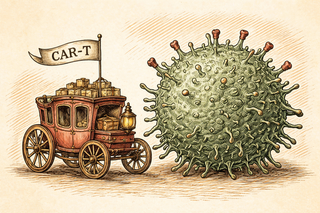
0.0000001 meters is roughly the size of the delivery vehicle that could someday replace a whole clean-room manufacturing saga with something closer to a very bossy molecular courier.
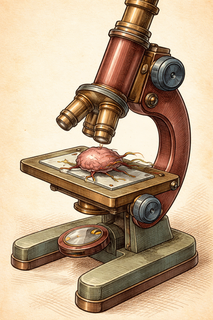
At 3:07 AM in a lab in Rehovot, the immune system’s supposed command center was giving off strong “the manager stepped out” energy.
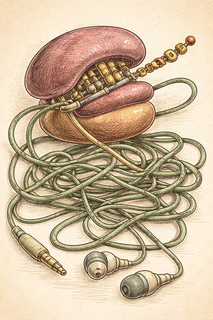
If one rogue lung cell makes 1,000 suspicious growth signals, and its neighbors make 1,000 more, how many tiny cellular headaches does your body need to solve before a tumor forms? Trick question: sometimes the answer is "too many for the cancer cell itself," which is biologically rude but deeply...
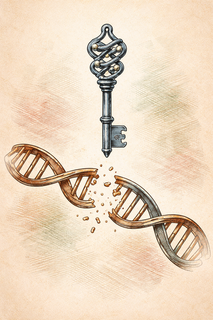
A recipe for leukemia trouble: take one fast-dividing blood cell, add DNA breaks, sprinkle in a protein called ZNF184, then watch the repair crew get mysteriously stuck outside the kitchen while the smoke alarm screams. What could go wrong? Quite a lot, apparently.
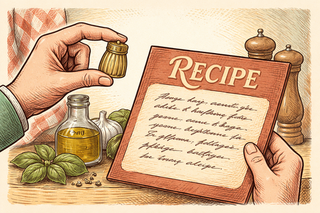
What if a brain tumor was not just following a bad growth recipe, but also had a tiny salt shaker helping it keep the sauce from breaking?
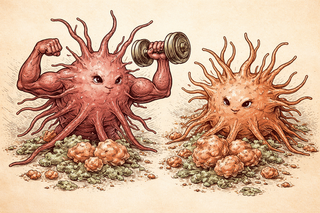
Training immune cells is a bit like running a gym where half the members are elite athletes and the rest are wandering around holding the dumbbells upside down. In cancer immunity, the elite athletes are type 1 conventional dendritic cells, or cDC1s. They are very good at picking up tumor debris,...
For decades, ulcers got pinned on stress and spicy food, like jalapenos were tiny criminals with motive and opportunity, until Helicobacter pylori strolled into the station holding the smoking microscope slide. Cancer biology has its own suspiciously tidy assumptions, and this week’s suspect is a...
The problem with immune checkpoint blockade is that it can turn your immune system into a tumor-hunting action hero, but only if the rest of the body lets it get through the door.