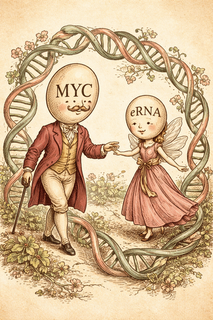
Position: RNA sidekick Employer: MYC, a famously overcaffeinated gene regulator Responsibilities: Slip into enhancers, boost nearby genes, encourage tumor growth, make biologists mutter "well, that is inconvenient" into their coffee.
Position: RNA sidekick Employer: MYC, a famously overcaffeinated gene regulator Responsibilities: Slip into enhancers, boost nearby genes, encourage tumor growth, make biologists mutter "well, that is inconvenient" into their coffee.
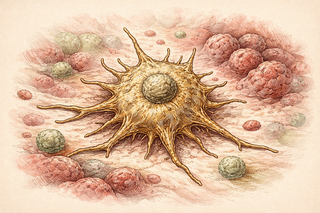
Quick refresher. PD-1 drugs like pembrolizumab work by taking the brakes off T cells, which are your immune system's professional troublemakers in the best possible sense. The problem is that tumors are not just lumps of rogue cells. They are more like sketchy little ecosystems. They recruit...
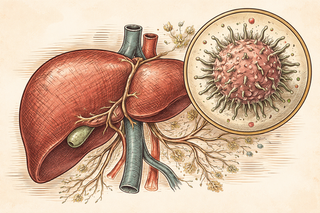
HCC is the main kind of primary liver cancer, and it usually grows in a liver already dealing with chronic inflammation, cirrhosis, hepatitis, alcohol damage, or metabolic disease. In other words, the neighborhood is messy before the villain even arrives.
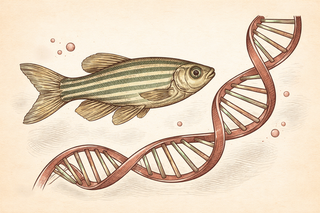
The strange part about a very human leukemia is that one of the smartest ways to study it may involve a tiny striped fish that looks more like a pet-store side character than a co-author on future drug research.
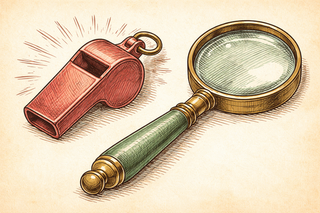
Your immune system usually works like a very underfunded but surprisingly effective security team. It spots trouble, tackles infected cells, and occasionally saves your life without asking for applause. But it also employs regulatory T cells, or Tregs, whose job is to stop the rest of the immune...
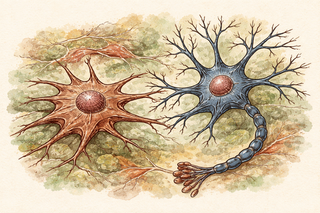
The headline finding is that cancer-associated fibroblasts, or CAFs, seem to help set up this nerve invasion route. Fibroblasts are usually support cells. In cancer, they often get drafted into the wrong army. Instead of repairing tissue like responsible adults, they can start feeding the tumor...
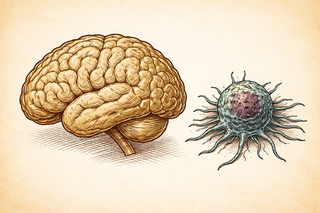
Brain metastasis is one of the hardest turns breast cancer can take. It is not just cancer in a new zip code. The brain is its own picky little ecosystem, with different nutrients, immune dynamics, and the ever-annoying blood-brain barrier deciding who gets in and who gets bounced at the door...
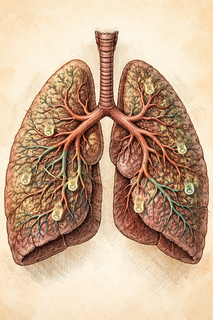
Help Wanted: Neutrophils. Duties include fighting lung infections, cleaning up tissue damage, and absolutely not becoming bouncers for future tumors. Applicants who enjoy chronic inflammation, mixed signals, and moral ambiguity need not apply.
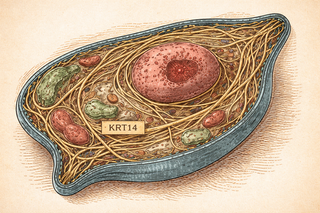
Inside your breast tissue, millions of tiny cellular factories are supposed to run like a disciplined manufacturing line: DNA as the instruction manual, proteins as the parts, and the internal scaffolding as the shock absorbers that keep every machine from rattling itself to pieces. This new paper...
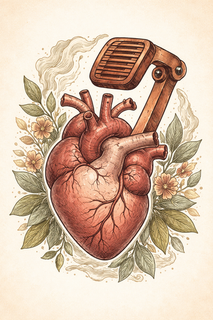
The heart rarely gets top billing in cancer treatment stories. Tumors get the drama, T cells get the heroic montage, and the myocardium is off to the side like a dependable character actor waiting for one line and a decent sandwich. This paper argues that the heart deserves more attention,...
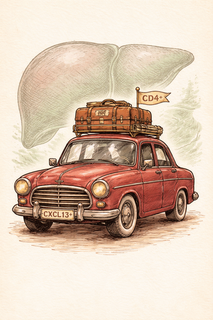
The plot twist in this colorectal cancer story is almost rude: a group of immune cells that looked like they might be useful ended up helping the tumor pack a suitcase, call a rideshare, and head for the liver.
Out on the savannah of your tumor microenvironment, the cancer cells do not survive by speed or beauty. They survive by turning the grass brown, hiding the trails, and convincing the park rangers to take a very long lunch. That is why this new paper on ARHGEF3 is interesting. It suggests some...
Door A says Alzheimer's is mostly a story about sticky amyloid plaques. Door B says tau has been quietly causing chaos backstage, like the understudy who suddenly burns down the theater. This paper kicks open Door B and points to a weird new tau fragment that may matter a lot: a clipped-and-capped...
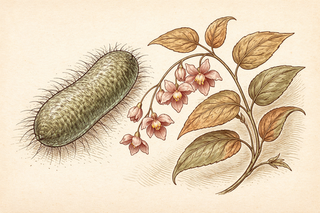
The problem with cancer immunotherapy is that even when you bring in the fancy reinforcements, half the battlefield still looks like a traffic jam with trust issues. PD-1 blockers can help T cells attack tumors, but plenty of patients do not respond well, and one big reason may be hiding in the...
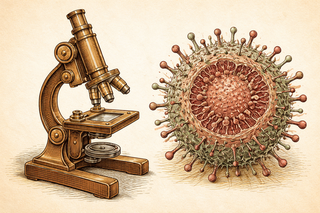
The new study by Zhang and colleagues looked at paired tumor samples from 55 patients with locally advanced esophageal squamous cell carcinoma, taken before and after treatment in a phase 3 trial. Some patients got chemotherapy alone. Most got chemotherapy plus the PD-1 blocker camrelizumab. Then...
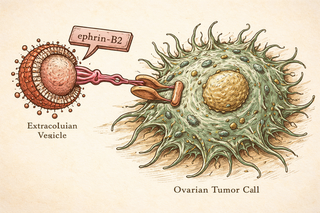
Fair enough - "we trained cell-made bubbles to find ovarian tumors" sounds like the sort of sentence that should come with either a Nobel Prize or a raised eyebrow. But this new study makes a serious case that extracellular vesicles, or EVs, could become something oncology has wanted for years: a...
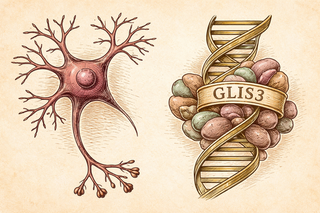
The treatment meant to beat pancreatic cancer may also help expose the exact cell state most likely to come back meaner, weirder, and ready to travel. That is the rude little contradiction at the heart of a new Cell Reports paper on pancreatic ductal adenocarcinoma, or PDAC, the form of pancreatic...
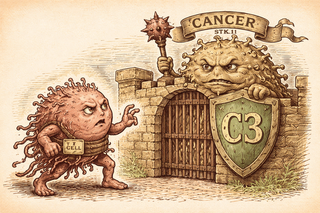
Your immune system usually treats cancer like a suspicious guy trying to sneak backstage with a fake laminate. T cells are supposed to spot the fraud and toss him out. But some lung cancers, especially those with STK11 mutations, have a reputation for turning the venue into a fortress where the...
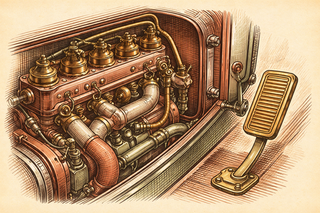
The problem with revving up the immune system to fight cancer is that the immune system has never met a gas pedal it didn’t want to floor straight through a retaining wall. That is basically the story of CD137, also called 4-1BB: push it, and CD8 T cells can become much better at killing tumors....
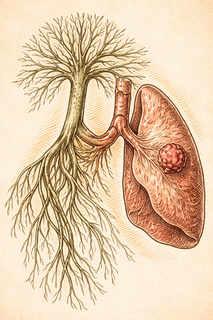
Roses are red, nerves carry sparks, tumors love shortcuts, especially after dark. The PubMed item here is a Q&A, but the real action sits one click behind it: Hua Zhong's group just mapped a weird little route small cell lung cancer seems to use when it wants to get cozy with nerves - and by...