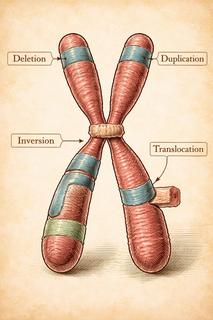
HER2-low breast cancer is defined by not having quite enough HER2 to be a big deal, and yet here we are, finding out it may hide some very big deals. Oncology does love a contradiction. It keeps the lights on.
HER2-low breast cancer is defined by not having quite enough HER2 to be a big deal, and yet here we are, finding out it may hide some very big deals. Oncology does love a contradiction. It keeps the lights on.
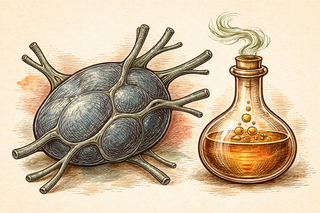
That, in a sentence, is why this new DLBCL paper is interesting. The researchers used single-cell data plus machine learning to hunt for the molecular equivalent of the ringleader in a very bad group chat, and they landed on a three-part axis: IRF4, PAICS, and LDHA. If those names sound like a...
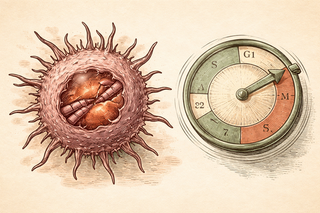
[Stage direction: A single B-cell stands center stage under a flickering spotlight. It clutches a chromosome 11 fragment that clearly belongs somewhere else. The cell cycle clock on the wall spins too fast. Enter, stage left, an increasingly sophisticated lineup of molecular inhibitors, engineered...
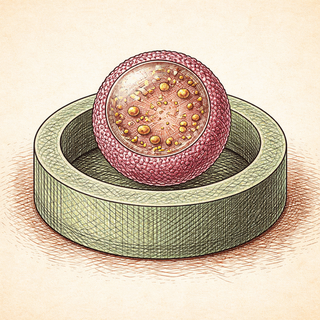
Classified ad: Wanted - one punctual extracellular vesicle, size roughly "smaller than your patience on hold with insurance," must report to a designated nanowell, carry useful molecular gossip, and stop smearing fluorescence all over the place.
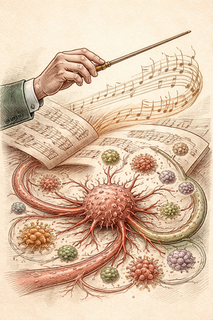
Some tumors do not grow like a lone trumpet blaring off-key. They conduct a whole unruly orchestra - rewriting the score, bribing the percussion section, and somehow convincing the security staff to nap in the lobby.

Here's the thing about a garden gone to seed - you can't fix it by just looking at the soil. You need to check the roots, the water table, what's pollinating what, and whether that vine creeping across the fence is actually strangling your tomatoes. Cancer works the same way. For decades,...

The problem with cancer immunotherapy is that your T cells can show up to the tumor and still behave like interns on their first day - badge clipped on, eyes wide, not entirely sure which button starts the machinery.
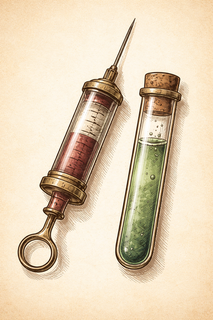
The bone marrow biopsy - beloved by exactly zero patients and tolerated by millions - has enjoyed an unchallenged reign over leukemia monitoring for decades. It is survived by its successors: a tube of blood, 96 molecular targets, and a research team at Johns Hopkins who just made its monopoly look...
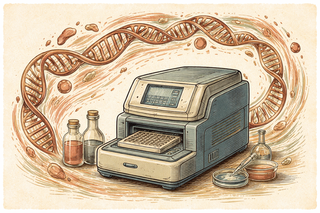
In any respectable spy thriller, the villain wipes the fingerprints, burns the note, and strolls off thinking the room is spotless. Then some irritatingly observant detective finds one thread on the carpet and ruins everybody's evening. This paper operates on the same principle, except the thread...
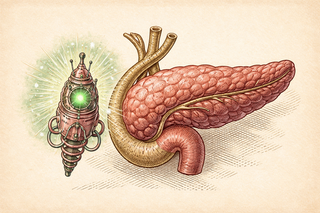
Confession: for a long time, we acted like pancreatic cancer was simply "hard to find," when the more honest answer is that we were often looking with tools that spot shape changes late instead of molecular trouble early.
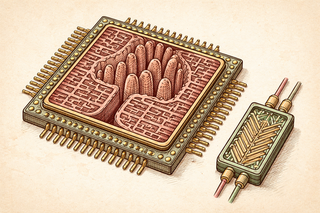
A decent croissant, a reliable plumber, and a fake intestine on a microchip all share one rule: if the internal architecture is wrong, the whole performance falls apart.
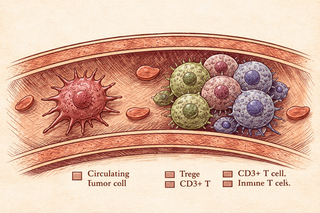
If IL-8 showed up for a job interview in metastatic breast cancer, its resume would read: "Excellent at stirring chaos, strong experience in inflammatory management, references available from several deeply unhelpful tumors." That, more or less, is the vibe of a new liquid biopsy study that asks a...
The new American College of Physicians guidance takes a pretty clear stance for average-risk, symptom-free adult women: ages 50 to 74 should get a mammogram every two years. Ages 40 to 49? That moves into the land of "let's talk," because the benefits are real but smaller, and the harms start...
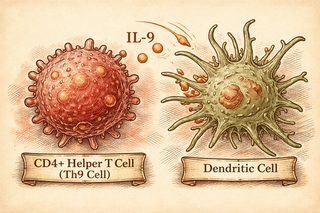
A handful of overlooked T cells just outperformed the entire cancer immunotherapy starting lineup - and they did it by producing a cytokine nobody took seriously.
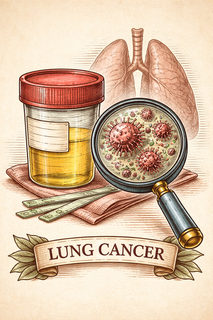
The twist in this little medical thriller is that the witness was in the bathroom the whole time. Not the CT scanner. Not the biopsy needle. Not some glowing sci-fi pod humming in a billionaire bunker. Urine. Plain, boring, aggressively unglamorous urine.
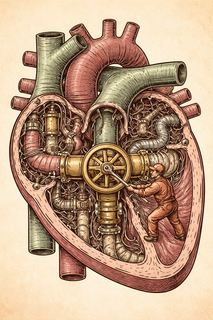
Every house has a main shutoff valve. Turn it, and the water stops flowing, saving your basement from a watery apocalypse. Your heart cells have something similar - a molecular valve called RIPK1 that, when properly tightened, keeps the flood of cell death from swamping the whole neighborhood. The...
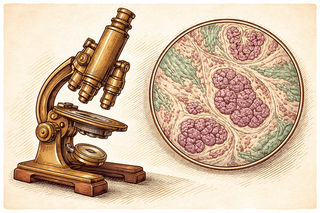
At halftime, the scoreboard tells you who’s ahead, but it does not tell you which defender forgot the playbook and which bench player suddenly turned into prime Steph. Breast tumors have the same problem: a standard pathology slide shows the tissue on the court, but not always which cell types are...
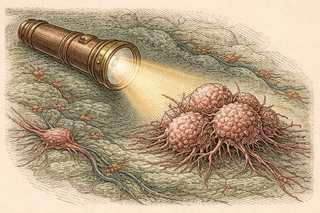
Option A: kick down Door Number One and nuke a tumor with light. Option B: take Door Number Two and bribe your immune system into remembering that cancer is, in fact, bad. This new breast cancer paper basically says, "Why are we choosing?" and then proceeds to make both doors part of the same very...
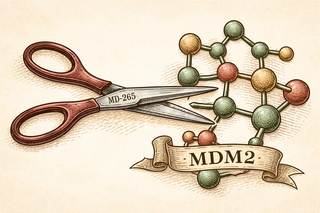
Every protein has a look, and MDM2 - the most obnoxious bouncer in cancer biology - has been strutting through leukemia cells in the same untouchable outfit for decades, shoving your body's best tumor-suppressing protein into the cellular dumpster like a reality TV villain discarding last season's...
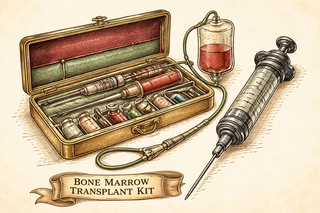
A 52-year-old man with acute myeloid leukemia needs a bone marrow transplant. His 28-year-old son is willing to donate - half-matched, young, healthy, ready to go tomorrow. Meanwhile, somewhere in the donor registry, a 47-year-old stranger is a perfect genetic match. The transplant team huddles....